

SELLERS GUIDE
02
Accepting an Offer
Accepting an Offer
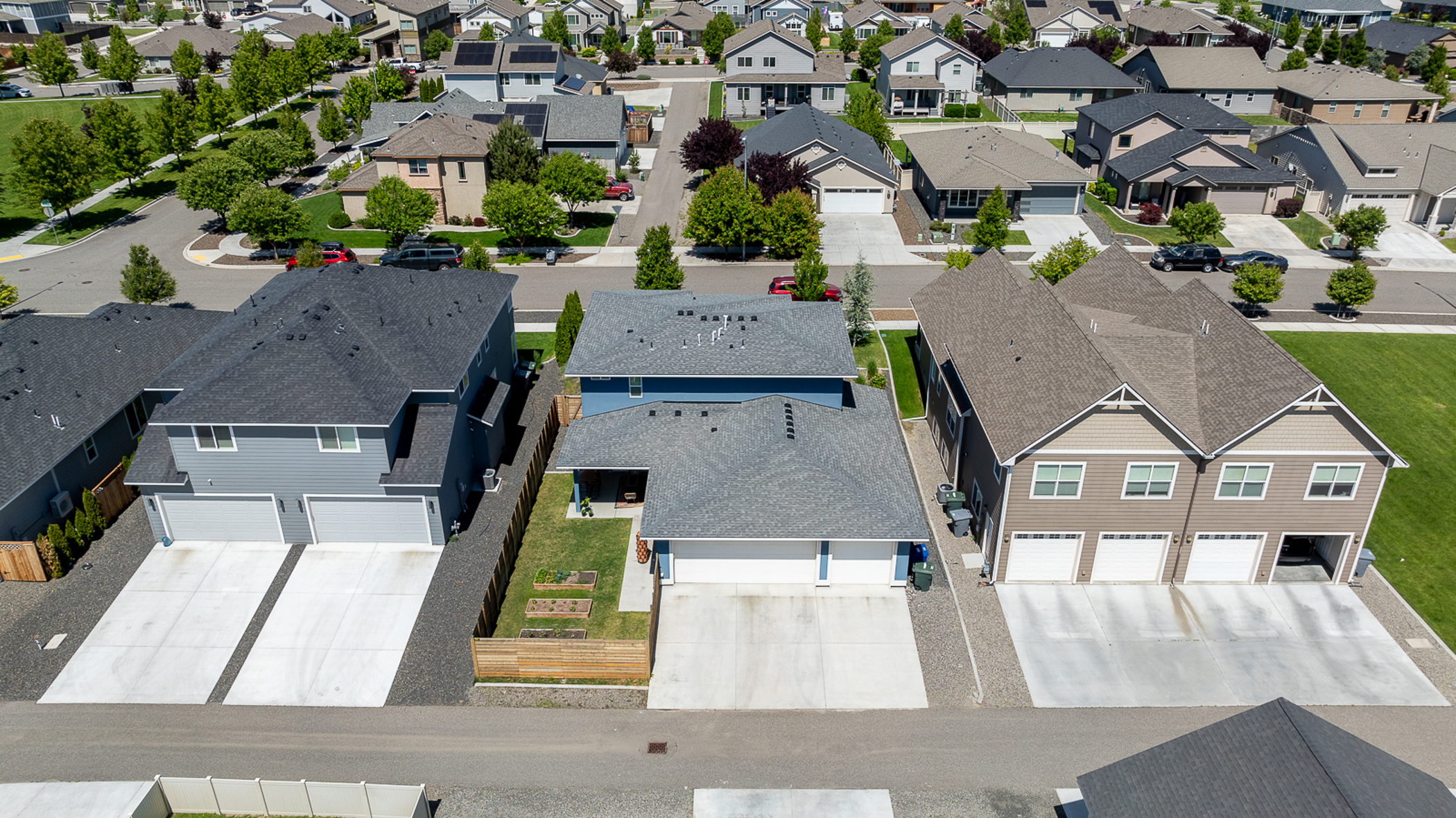
Accepting an Offer on Your Home in the Tri-Cities
Receiving an offer is an important milestone, but accepting the right offer requires more than looking at the price. The strongest offers balance certainty, timing, and risk. Understanding how to evaluate offers helps you protect your outcome.Looking Beyond the Purchase Price
The highest price is not always the best offer. Key factors to review include:- Financing strength and type
- Amount of earnest money
- Contingencies and timelines
- Requested closing date and possession terms
Understanding Buyer Financing
How a buyer plans to finance the purchase matters. Consider:- Conventional versus government-backed loans
- Down payment strength
- Appraisal and financing contingencies
- Pre-approval quality
Contingencies and Risk
Contingencies protect buyers, but they also affect sellers. Common contingencies involve:- Inspections
- Appraisal
- Financing
- Sale of another property
Negotiating Terms Strategically
Negotiation is not about winning. It is about improving the outcome. Options may include:- Countering price
- Adjusting timelines
- Modifying contingencies
- Offering concessions strategically
Choosing the Right Path Forward
The right decision depends on your priorities. Before accepting an offer, consider:- Your desired closing timeline
- Your tolerance for risk
- Backup options if the deal does not close
- Current Tri-Cities market activity and momentum